What is the plasma membrane, and why do investigators want to visualize it with fluorescent microscopy?
The plasma membrane (PM) of eukaryotic cells is comprised of a lipid bilayer that not only functions as a continuous barrier to separate the intracellular and extracellular environments, but it also plays critical roles in signal transduction, cell recognition, substance transport, mechanosensing, biological scaffolding, and several other functions(reviewed in 1-4).
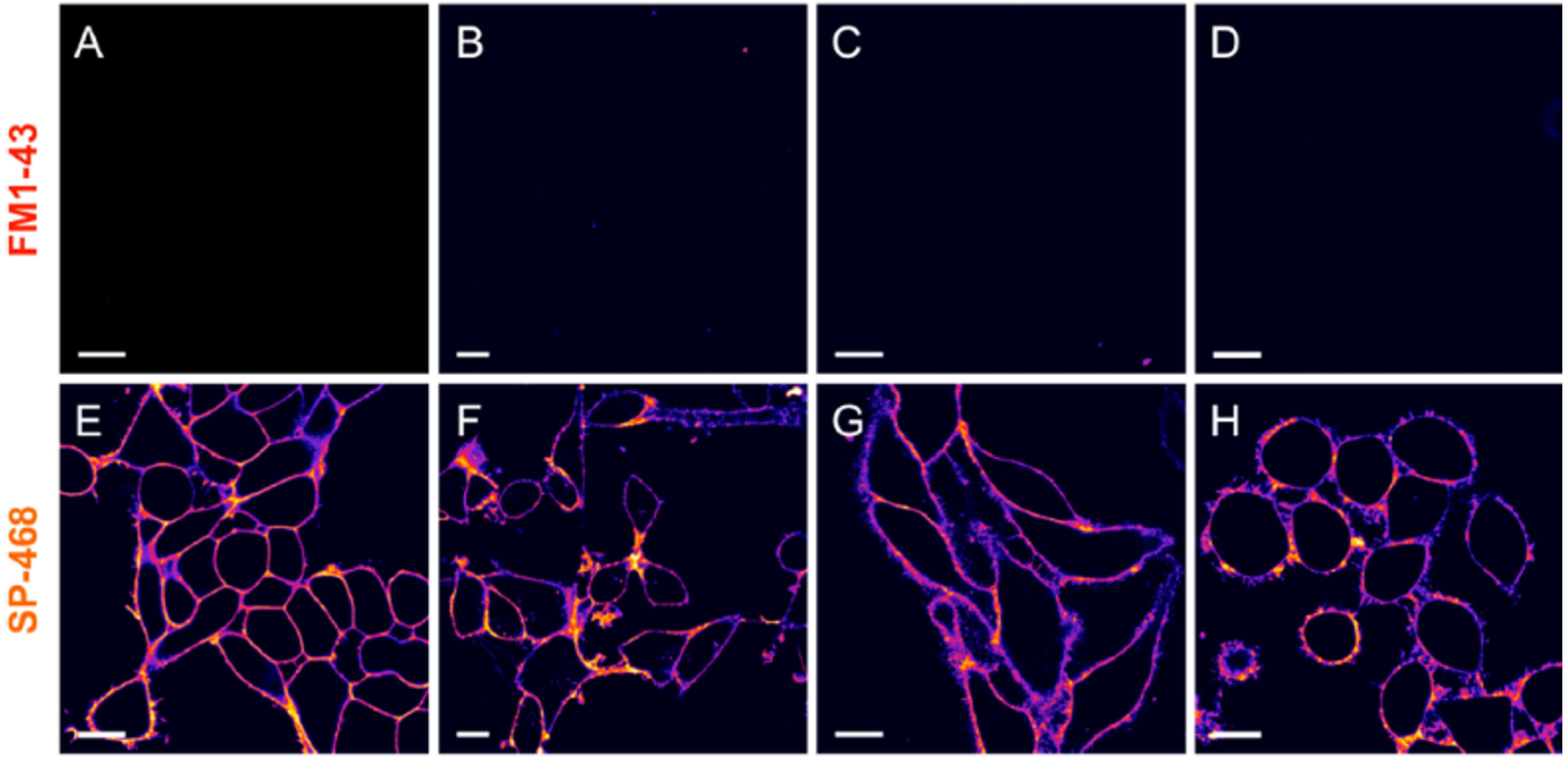
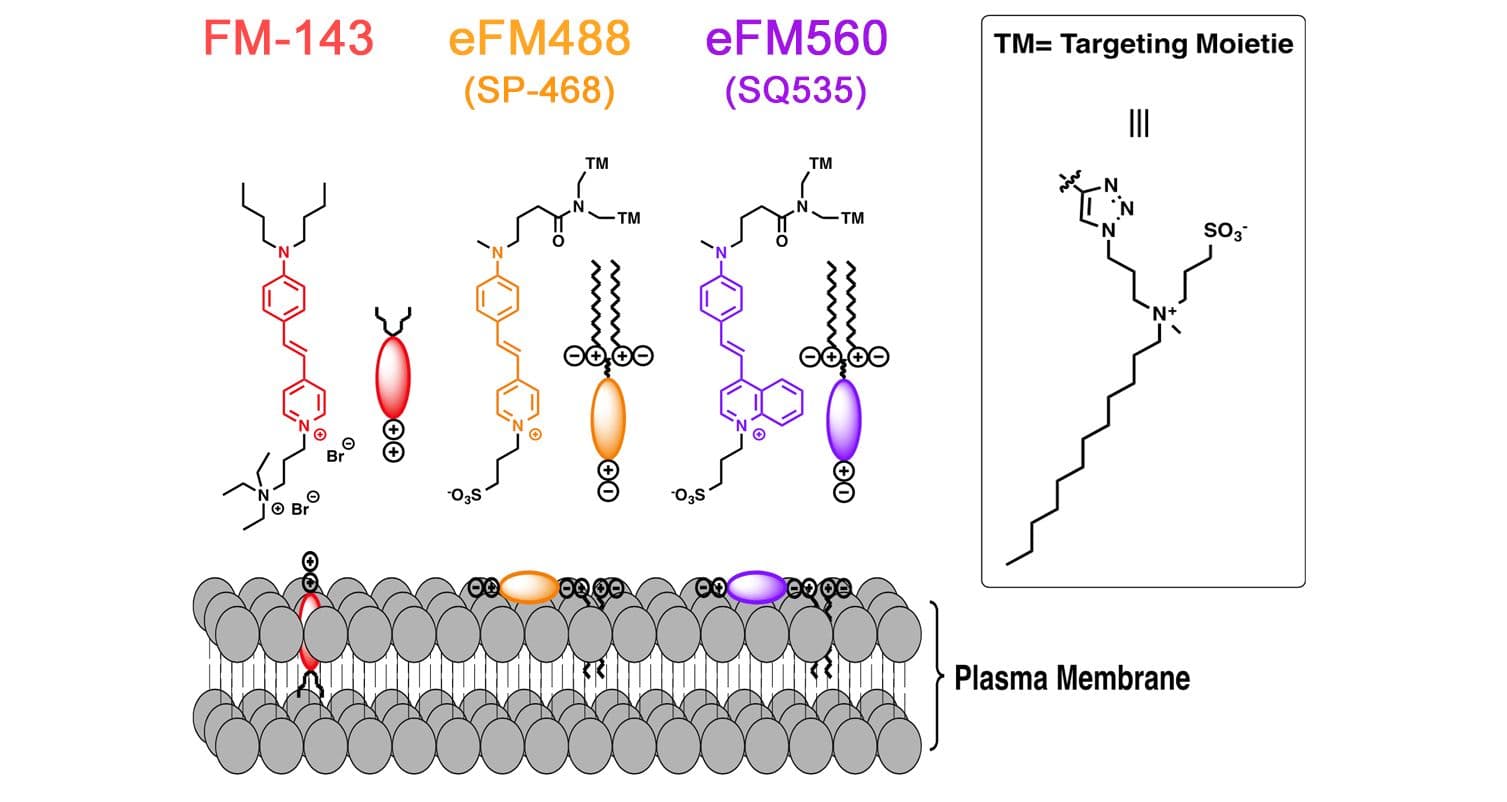
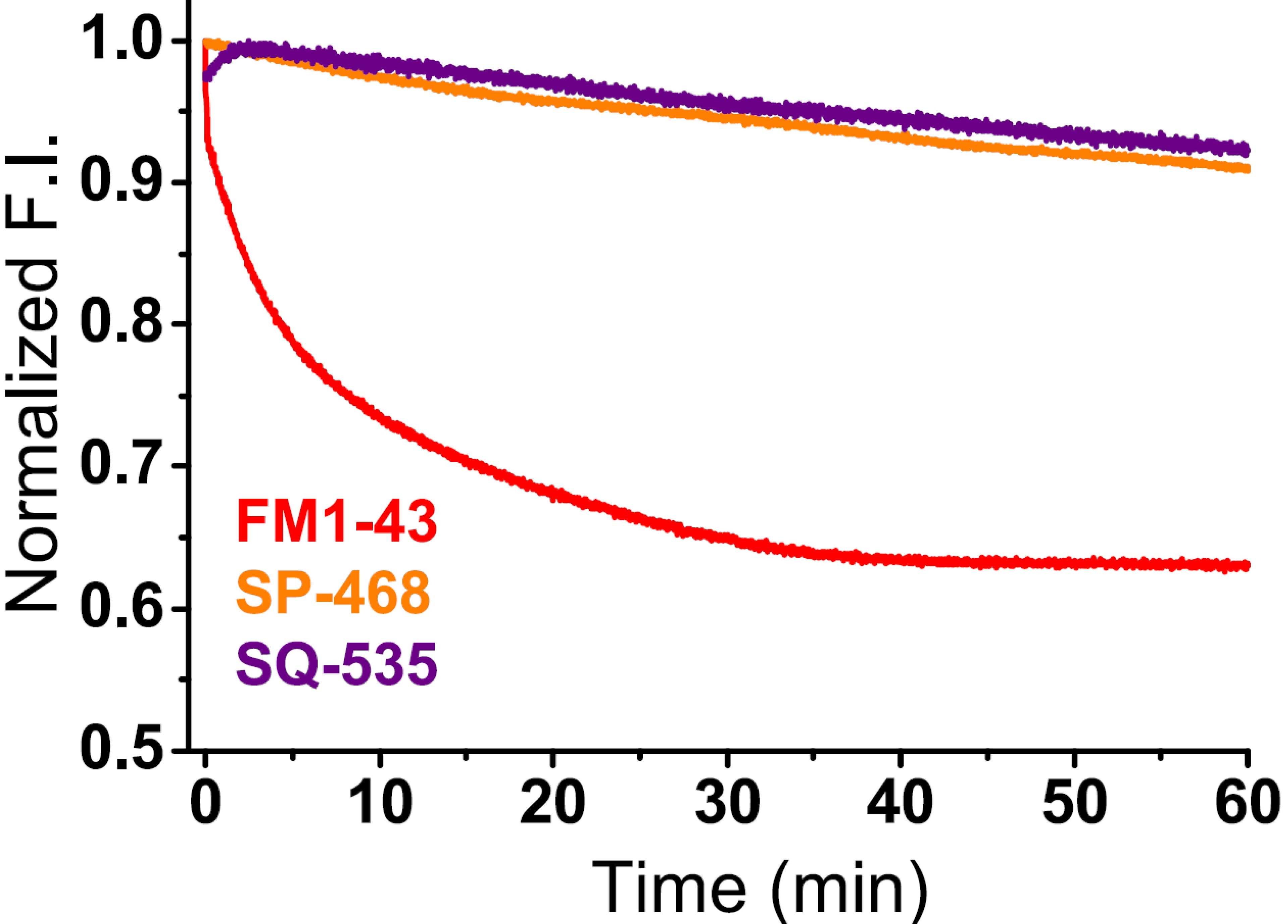
Effectively visualizing the PM is important for cell segmentation, but it is also useful to characterize specific functions of the PM and its impact on other cellular organelles, structures, and processes(reviewed in 5). Fluorescent microscopy has emerged as a critical approach for studying the PM’s dynamics and morphology, and recent advancements in PM fluorescent probes like MemGlow allow investigators to specifically and fluorogenically label the PM in cells6, 7, while producing superior results compared to older generation membrane probes like WGA, DiD, and PKH8.
Specialized probes such as Flipper-TR9 (PM membrane tension), NR4A10 (solvatochromic SMLM), and PKmem11 (gentle, ultralong-term PM imaging) have also been developed, allowing for more specialized investigation of the PM.